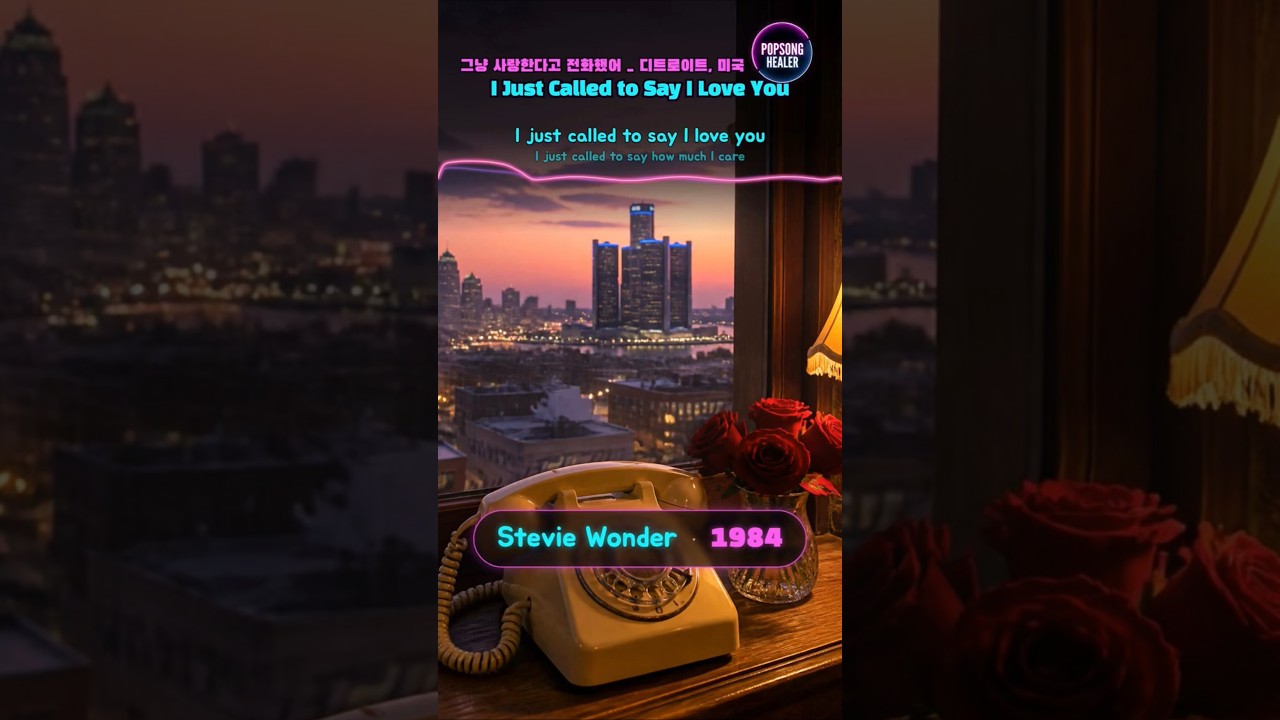
A prodigy signed to Motown at 11. Blind since infancy, he sings, writes and plays a host of instruments himself, and won the Grammy for Album of the Year with three consecutive albums.
“Little Stevie Wonder”
Stevie Wonder was born on May 13, 1950, in Saginaw, Michigan. Born six weeks premature, he lost his sight shortly after birth from retinopathy of prematurity caused by oxygen in his incubator.
In 1961, at 11, he signed with Motown’s Tamla label and recorded as “Little Stevie Wonder.”
In 1963 the live recording “Fingertips” reached No. 1 on the Billboard Hot 100. At 13 he was the youngest artist ever to top the chart.
The 1970s masterpieces
In the early 1970s Stevie began writing and producing his own records, building a new sound around synthesizers and keyboards.
Talking Book (1972), Innervisions (1973), Fulfillingness’ First Finale (1974) and Songs in the Key of Life (1976) all come from this period.
He became the first Black musician to win the Grammy for Album of the Year, and the only artist to win it with three consecutive album releases.
The 1980s and beyond
In 1980 he led the campaign to make Martin Luther King Jr.’s birthday a national holiday.
In the 1980s “Ebony and Ivory” (with Paul McCartney), “I Just Called to Say I Love You,” “Part-Time Lover” and “That’s What Friends Are For” all reached No. 1. His collaborations with Paul McCartney and Michael Jackson drew wide attention.
His legacy
He has won 25 Grammys, the most by a male solo artist until 2012, as well as an Academy Award.
He has sold more than 100 million records, is in the Rock and Roll and Songwriters Halls of Fame, and received the Presidential Medal of Freedom in 2014.
Where to start
- “Superstition” (1972): the standout from Talking Book
- “You Are the Sunshine of My Life” (1972): a warm love song
- “I Just Called to Say I Love You” (1984): from the film The Woman in Red
Facts checked on Nov 22, 2026.